


Boost Your Safety with Self-Defense Training Techniques
- Jan 12
- 4 min read
Every day, the world throws challenges at us—some visible, some lurking in shadows. The feeling of vulnerability can creep in like a cold wind, chilling your confidence and shaking your sense of security. But what if you could armor yourself with skills that transform fear into power? What if you could stand tall, unshaken, ready to face whatever comes your way? That’s the raw, electrifying promise of self-defense training techniques.
Self-defense is not just about fighting back. It’s about going on the offensive and reclaiming your space, your peace, your life. It’s about turning the tables on danger with precision, strength, and calm. I’ve walked this path, and I’m here to share how self-defense can ignite a fire within you—a fire that fuels courage, sharpens awareness, and builds an unbreakable shield around your everyday existence.
The Power of Self-Defense Training Techniques
Imagine your body as a fortress, your mind the vigilant guard. Self-defense training techniques are the blueprints and tools that fortify this fortress. They teach you to read the room, anticipate threats, and respond with swift, effective moves that can disable an attacker and give you the precious seconds to escape.
These techniques are not about brute force alone. They blend agility, strategy, and psychology. You learn to use your attacker’s momentum against them, to strike vulnerable points, and to maintain control under pressure. It’s a dance of survival, choreographed with precision and practiced until it becomes second nature.
Here’s what makes these techniques indispensable:
Situational Awareness: Training hones your senses to detect danger before it strikes.
Physical Conditioning: Builds strength, speed, and endurance to execute moves effectively.
Mental Resilience: Cultivates calmness and quick decision-making in high-stress moments.
Practical Skills: From escapes to counterattacks, you gain a toolkit tailored for real-world scenarios.
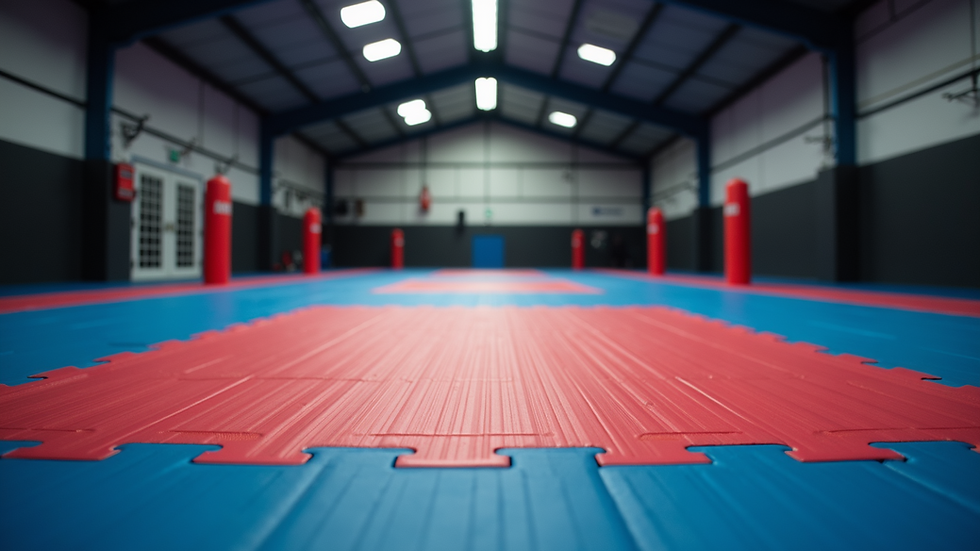
How do I start learning self-defense?
Starting your journey into self-defense can feel overwhelming, but it’s simpler than you think. The key is to find a program that fits your goals and comfort level. Here’s a step-by-step guide to get you moving:
Research Local Classes: Look for reputable schools or instructors who specialize in practical self-defense. Check reviews and ask about their teaching philosophy.
Understand Your Needs: Are you looking for fitness, confidence, or tactical skills? Different programs focus on different aspects.
Try a Trial Class: Most places offer a free or low-cost trial. Use this to gauge the environment and teaching style.
Commit to Consistency: Progress comes with regular practice. Set a schedule that you can stick to.
Equip Yourself: Comfortable workout clothes and proper footwear are essential. Some classes may require protective gear.
Stay Open-Minded: Be ready to learn, unlearn, and push your limits.
Remember, the journey is as important as the destination. Every session builds your muscle memory and sharpens your instincts.
The Role of Community and First Responders in Self-Defense
Self-defense is not a solitary pursuit. It thrives in community. When you train alongside others, you build bonds that extend beyond the dojo or gym. You become part of a network that supports, motivates, and uplifts.
First responders and veterans often bring invaluable perspectives to self-defense training. Their experience with high-pressure situations enriches the learning environment, making it more realistic and grounded. They understand the stakes and the necessity of readiness.
Community outreach programs that incorporate self-defense training create safer neighborhoods. They empower individuals to protect themselves and others, fostering a culture of vigilance and mutual care. This ripple effect strengthens the social fabric, making everyone safer.
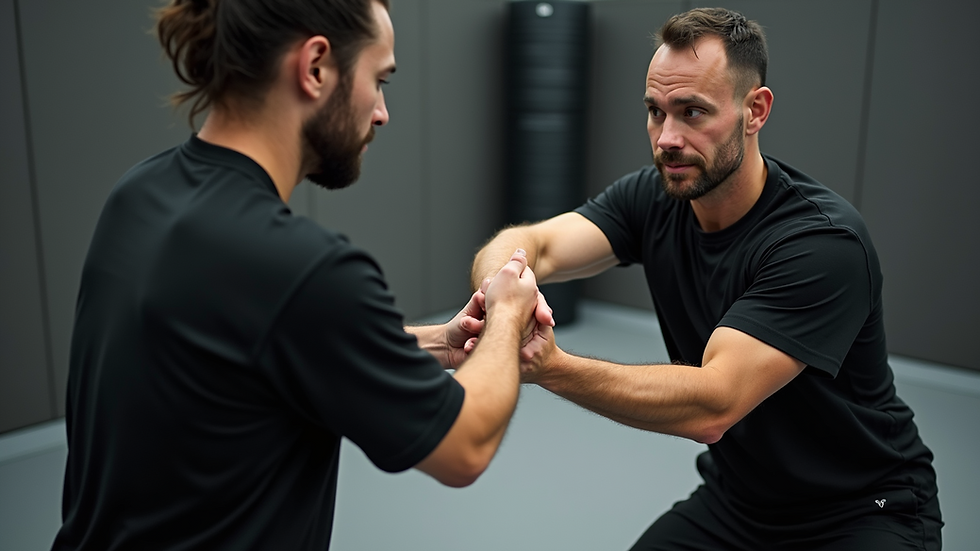
Practical Self-Defense Tips You Can Use Today
You don’t have to wait for a class to start protecting yourself. Here are some actionable tips that you can integrate into your daily life right now:
Trust Your Instincts: If something feels off, it probably is. Don’t ignore that gut feeling.
Keep Your Hands Free: Avoid carrying too many items that can weigh you down or distract you.
Use Your Voice: A loud, confident shout can startle an attacker and attract help.
Maintain Distance: Stay out of reach and avoid confined spaces where escape is difficult.
Learn Basic Moves: Practice simple techniques like palm strikes, knee kicks, and escapes from grabs.
Stay Aware of Your Surroundings: Scan exits, avoid dark alleys, and keep your head up.
These small habits build a foundation of safety that complements formal training.
Why Self-Defense Training is a Lifelong Investment
Self-defense is not a one-time fix. It’s a lifelong commitment to your safety and well-being. The skills you acquire evolve with you, adapting to new challenges and environments. The confidence you gain spills over into every aspect of your life—work, relationships, and personal growth.
Investing in self-defense training is investing in your freedom. It’s about saying, “I am prepared. I am strong. I am not a victim.” This mindset transforms how you move through the world, empowering you to face uncertainty with fierce determination.
If you’re ready to take that step, consider joining self defense classes that align with your goals. They offer expert guidance, a supportive community, and the tools you need to become your own protector.
Embrace the power within you. Let self-defense training techniques be the spark that lights your path to safety, strength, and unshakable confidence. Your journey starts now.


Comments